So, you’re a budding entrepreneur in the UK, brimming with brilliant ideas and ready to take the plunge into the digital world. Fantastic! One of the biggest, and often most daunting, questions on your mind is likely: “How much should a small business website cost in the UK in 2026?”
It’s a question we get asked a lot, and rightly so. Your website is your digital shop window, your 24/7 salesperson, and often, the first impression you make on potential customers. Getting it right is crucial, but navigating the pricing landscape can feel like a minefield.
Fear not! As a UK-based SEO expert and content creator, I’m here to demystify the costs and give you a clear roadmap to understanding what you should expect to invest in your online presence, whether you’re a one-person band or a growing SME. We’ll be looking ahead to 2026, anticipating how trends and technology might influence these figures.
The Evolving Landscape of Small Business Websites in 2026
Before we dive into the nitty-gritty of pounds and pence, it’s important to understand that the ‘average’ website cost is a bit of a fluid concept. In 2026, we’ll see continued advancements in website technology, an ever-increasing emphasis on user experience (UX), and a deeper integration of AI and automation. This means that what constitutes a “basic” website today might be considered more sophisticated in a few years.
Factors like the complexity of your desired features, the level of customisation, the reputation of the developer or agency, and the ongoing support you require will all play a significant role. Think of it like buying a car: you can get a basic model for transport, or a fully kitted-out luxury vehicle. Both serve the purpose of getting you from A to B, but their price tags are worlds apart.
1. The DIY Route: Website Builders and Their Cost-Effectiveness
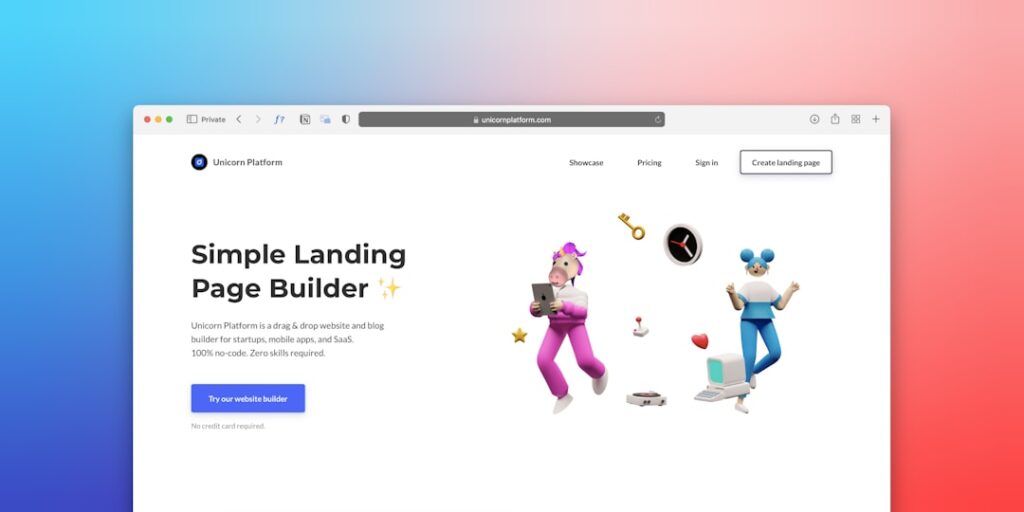
For the leanest of startups or those with very straightforward needs, the do-it-yourself (DIY) approach using website builder platforms is often the first port of call. These platforms have become incredibly sophisticated, offering intuitive drag-and-drop interfaces and a wealth of pre-designed templates.
DIY Website Builders: The Budget-Friendly Entry Point
In 2026, you can expect to see these platforms continuing to evolve, offering even more AI-powered design assistance and integrated marketing tools. The core idea remains the same: empowering business owners to build their own website without needing to code.
- What’s Included?
- Hosting and SSL Certificates: This is a huge advantage. The subscription fee typically covers the essential infrastructure to get your website live and secure. You won’t need to worry about finding a separate hosting provider or purchasing an SSL certificate to ensure your site uses HTTPS.
- Templates and Themes: A vast library of professionally designed templates will be available across various industries. You can choose one that best fits your brand aesthetic and then customise it with your own colours, fonts, images, and content.
- Drag-and-Drop Editors: These are the heart of website builders. They make it incredibly easy to add, remove, and rearrange elements like text boxes, images, buttons, and contact forms without any technical knowledge.
- Basic Functionality: Most builders offer a core set of features like contact forms, image galleries, blog functionality, and social media integration.
- Mobile Responsiveness: All reputable builders ensure their templates are automatically responsive, meaning your website will look good and function well on desktops, tablets, and smartphones.
- Estimated Cost for 2026:
- £0 – £500 per year. While some platforms offer free plans, these are usually very basic and come with significant limitations (e.g., subdomain names, platform branding, limited storage). For a professional-looking and functional website, you’ll want to invest in a paid plan.
- Monthly/Annual Subscription Models: Expect to pay anywhere from £9 to £50 per month, depending on the platform and the features you require. Major players like Wix, GoDaddy, and Squarespace will continue to offer competitive pricing.
- Wix: Their plans often range from around £9/month for basic websites to £25+/month for more advanced features and e-commerce capabilities.
- GoDaddy Website Builder: Similar to Wix, expect prices around £12.99/month for their standard plans, with premium options available.
- Squarespace: Known for its aesthetically pleasing templates, Squarespace typically falls in the £12-£35/month range for its various plans.
- Who is this best for?
- Businesses that are just starting out and have a very tight budget.
- Sole traders and micro-businesses that primarily need an online presence for information and basic contact.
- Businesses that require minimal functionality (e.g., a simple brochure site with contact details and a service list).
- Individuals who are tech-savvy and comfortable with learning new platforms.
Pros and Cons of DIY Website Builders:
- Pros: Extremely cost-effective, quick to get started, no coding knowledge required, hosting and security often included.
- Cons: Limited customisation beyond template options, can be difficult to migrate away from later, SEO capabilities can be less robust than custom solutions, may look less unique than a bespoke design.
2. The Template-Driven Approach: Customisation with WordPress and Freelancers
When you need a bit more flexibility and a more professional look than a purely DIY builder can offer, but a completely custom-built site is out of reach, the template-driven approach using platforms like WordPress, often with the help of a freelancer, is a sweet spot.
WordPress with Customisation: Balancing Cost and Uniqueness
WordPress powers a significant portion of the internet, and for good reason. Its open-source nature, vast library of themes and plugins, and flexibility make it a powerful choice. In 2026, WordPress will continue to be a dominant force, with enhanced features and possibly more user-friendly interfaces for less technical users.
- What’s Involved?
- WordPress Installation: You’ll need to purchase web hosting and a domain name separately, and then install WordPress. Many hosting providers offer one-click WordPress installations, which simplifies this process.
- Theme Selection: You’ll choose a premium WordPress theme as your starting point. Many of these themes are highly customisable using drag-and-drop page builders (like Elementor or Divi) that integrate with WordPress.
- Plugin Integration: WordPress’s power lies in its plugins. You’ll select plugins for specific functionalities like contact forms, SEO optimisation, security, image optimisation, and e-commerce (if needed via WooCommerce).
- Freelancer Customisation: This is where the “customisation” element comes in. A freelancer will help you:
- Select and configure the right theme.
- Install and set up essential plugins.
- Customise the theme’s appearance to match your brand.
- Integrate your content (text, images, videos).
- Ensure basic on-page SEO is in place.
- Set up essential pages like “About Us,” “Services,” and “Contact Us.”
- Estimated Cost for 2026:
- £500 – £2,500 (one-off cost). This range encompasses the cost of a premium WordPress theme, potentially some essential premium plugins, and the fees for a freelance web designer or developer to customise it for you.
- Freelancer Rates: Freelancers’ rates will vary based on their experience, location, and the complexity of the project. You might find individuals charging anywhere from £25 to £75+ per hour. For a starter site, a freelancer might dedicate 20-50 hours of work.
- Hosting and Domain: While not strictly part of the website build cost, remember to factor in around £50-£150 per year for reliable web hosting and your domain name.
- Who is this best for?
- Small businesses that have outgrown basic website builders and need more flexibility and a professional design.
- Businesses that want a unique look but don’t require highly bespoke functionality.
- Those who are comfortable managing their website content once it’s built, or who have a freelancer on retainer for updates.
- Businesses that might want to scale up to more complex features later, as WordPress is highly extensible.
Pros and Cons of Template-Driven WordPress Sites:
- Pros: More customisation than DIY builders, vast range of features via plugins, ownership of your website, generally better for SEO than basic builders, large community support.
- Cons: Requires separate hosting and domain management, learning curve for WordPress itself, reliance on freelancers for initial setup and potentially for complex customisations.
3. The Professional Presence: Custom Brochure/Lead Generation Websites
For established small to medium-sized enterprises (SMEs) looking to make a significant impact, attract high-quality leads, and project an authoritative brand image, a custom-designed brochure or lead generation website is the way to go. This is where you move beyond templates and bring your unique vision to life.
Bespoke Design for Maximum Impact
A custom brochure or lead generation website is built from the ground up to meet your specific business objectives. It’s not just about looking good; it’s about strategically guiding your visitors towards a desired action, whether that’s making an enquiry, signing up for a newsletter, or downloading a resource.
- What’s Involved?
- Discovery and Strategy: This is a crucial initial phase. A designer or agency will work with you to understand your business goals, target audience, brand identity, and competitor landscape. They’ll develop a sitemap and user flow to ensure the website is intuitive and effective.
- Custom Design and Branding: You’ll get a completely unique visual design tailored to your brand. This involves wireframing, mockups, and revisions until you’re happy with the look and feel.
- Content Creation and Integration: Professionals can assist with copywriting to ensure your messaging is compelling and persuasive, and then integrate it seamlessly into the design.
- Advanced Functionality: This could include features like integrated booking systems, custom forms, calculators, dynamic content, and integrations with CRM systems.
- Advanced SEO Implementation: From the ground up, the website will be built with SEO best practices in mind, including clean code, optimised meta tags, schema markup, and site structure designed for search engines.
- User Experience (UX) Focus: Every element will be designed to provide a seamless and engaging experience for your visitors, encouraging them to stay longer and convert.
- Development: Skilled developers will bring the design to life using clean, efficient code.
- Estimated Cost for 2026:
- £2,500 – £10,000+ (one-off cost). The price will depend heavily on the complexity of the design, the number of pages, the advanced features required, and whether you work with a freelancer or a web design agency.
- Freelancer Costs: For a more comprehensive custom brochure/lead gen site, expect to pay a freelancer anywhere from £1,000 – £5,000+. This is for more experienced freelancers who can offer strategic input and a higher level of design and development skill.
- Agency Costs: Agencies typically start their pricing for such projects from £3,000+ and can easily go upwards of £10,000 or more for larger, more complex projects. Agencies often offer a more comprehensive service, including strategy, design, development, project management, and ongoing support.
- Page Count: Typically, these sites range from 4 to 8+ pages, focusing on key areas like homepage, about us, services/products, case studies/portfolio, contact, and a blog or resources section.
- Who is this best for?
- Established SMEs who are serious about growing their business and understand the value of a strong online presence.
- Businesses in competitive industries where standing out is crucial.
- Companies that rely heavily on generating leads through their website.
- Businesses that want a highly professional and branded online experience.
Pros and Cons of Custom Brochure/Lead Generation Websites:
- Pros: Fully bespoke design and functionality, optimised for lead generation and conversions, superior brand representation, excellent for SEO, provides a strong competitive advantage.
- Cons: Higher upfront cost, longer development time, requires a clear understanding of your business objectives.
4. The Essential Ongoing Costs: Keeping Your Website Healthy and Visible
A website isn’t a set-it-and-forget-it type of asset. To ensure it continues to perform well, remains secure, and is visible to your target audience, you’ll need to account for ongoing costs. These are essential for long-term success.
Beyond the Initial Build: Maintenance, Hosting, and SEO
Think of ongoing costs as the upkeep for your digital property. Neglecting them can lead to a website that becomes slow, vulnerable to security threats, or falls down the search engine rankings.
- Hosting and Domain Renewal: This is the annual (or monthly) fee to keep your website and its unique web address online. Prices for reliable hosting can range from £50 to £200 per year for small businesses, depending on the provider and the amount of traffic your site receives. Domain names are typically renewed annually for around £10-£20.
- Website Maintenance: This is crucial for security and functionality. It includes:
- Software Updates: Keeping your content management system (CMS) (like WordPress), themes, and plugins updated to patch security vulnerabilities and ensure compatibility.
- Backups: Regularly backing up your website files and database in case of a disaster.
- Security Monitoring: Protecting your site from malware and hacking attempts.
- Performance Optimisation: Ensuring your website loads quickly.
- Bug Fixing: Addressing any glitches or errors that may arise.
- Content Updates: Adding new blog posts, updating service information, or refreshing images.
- Estimated Cost: For basic maintenance, you might pay a freelancer £20-£50 per month, or it could be included in a package.
- Search Engine Optimisation (SEO): To ensure potential customers can find you on Google and other search engines, ongoing SEO efforts are vital in 2026. This can include:
- Keyword Research: Identifying what terms your target audience is searching for.
- On-Page Optimisation: Optimising your website’s content, meta descriptions, and headings.
- Content Creation: Regularly publishing informative blog posts and articles.
- Link Building: Earning high-quality backlinks from other reputable websites.
- Technical SEO: Ensuring your website is crawlable and indexable by search engines.
- Local SEO: Optimising your presence for local searches (crucial for many UK businesses).
- Estimated Cost: SEO services can range from £150 to £1,000+ per month, depending on the scope of work and the expertise of the SEO professional or agency. Purely technical SEO might be less, while a full-service content and link-building strategy will be more.
- All-Inclusive Packages: Many web design agencies and freelancers now offer comprehensive monthly packages that bundle hosting, maintenance, basic SEO, and even content updates. These can range from £200 to £400 per month and offer peace of mind, as everything is managed by one provider.
- Who needs to consider these costs?
- Every small business with a website! The level of investment will vary based on your website’s complexity and your growth ambitions.
The Value of Ongoing Investment:
It’s crucial to view these ongoing costs not as an expense, but as an investment in your website’s long-term health, security, and ability to attract and convert customers. A neglected website can quickly become a liability, costing you potential business.
5. Navigating the Pitfalls: What to Look Out For When Budgeting
As with any service, there are always deals that sound too good to be true, and when it comes to web design, this is particularly the case. It’s essential to be aware of potential red flags to avoid disappointment and wasted money.
Beware of the “Too Cheap to Be True” Offers
When you’re looking for budget-friendly options, it’s easy to be drawn to the lowest prices. However, in the world of web design, there’s a strong correlation between price and quality.
- The “£1,000 or Less” Agency Warning: Be extremely cautious if an established agency offers to design a comprehensive, custom website for under £1,000. While some smaller projects might fall into this bracket, a full-blown custom solution typically requires significant time, skill, and expertise, which these prices rarely reflect.
- What you might get: Basic template customisation on a platform like WordPress, limited design input, minimal custom features, and potentially rushed work.
- What you might be missing: Strategic planning, in-depth UX design, professional copywriting, robust SEO foundations, thorough testing, and ongoing support.
- “You Get What You Pay For”: This old adage rings particularly true in web design. Very low prices often mean:
- Limited Customisation: You’re likely getting a heavily templated site with minimal unique elements.
- Lack of Expertise: The designer or developer may be inexperienced or working with limited resources.
- Poor Quality Code: This can lead to slow loading times, security vulnerabilities, and difficulty with future updates or expansion.
- No Strategic Input: The focus might be solely on aesthetics, not on how the website will help you achieve your business goals.
- Minimal Support: You might be left to your own devices once the website is “live.”
- Misunderstandings and Scope Creep: When prices are extremely low, there’s a higher chance of miscommunication about what’s included. This can lead to frustration and unexpected additional costs.
- The Freelancer vs. Agency Dilemma:
- Freelancers: Can offer excellent value for money, especially for specific tasks or simpler projects. However, their availability can be limited, and the responsibility for project management often falls on you.
- Agencies: Tend to offer a more comprehensive, structured service with a dedicated team. This usually comes at a higher price point but can provide greater peace of mind and a more robust outcome, especially for larger projects.
Tips for Making an Informed Decision:
- Define Your Needs Clearly: Before you even start looking at prices, understand what you need your website to do. What are your primary goals?
- Request Detailed Proposals: Don’t just ask for a price. Ask for a breakdown of what’s included, the timeline, and the proposed technologies.
- Check Portfolios and Testimonials: Look at the past work of freelancers and agencies. Does their style align with your brand? What do their previous clients say?
- Ask About the Process: Understand how they approach design, development, and testing.
- Consider Longevity: Think about future growth. Can the website you’re investing in scale with your business?
- Don’t Be Afraid to Walk Away: If something doesn’t feel right, or if a quote seems too vague or too cheap, it’s better to keep searching.
In Conclusion: Your Website Investment for 2026
So, to summarise the expected costs for a small business website in the UK in 2026:
- DIY Website Builders: £0 – £500 per year. Ideal for basic needs, includes hosting/SSL.
- Template/WordPress Starter Sites (with freelance customisation): £500 – £2,500 one-off. A great step up for a more professional look.
- Custom Brochure/Lead Gen Websites (4–8+ pages): £2,500 – £10,000+ one-off. For a strong professional presence and lead generation.
- Ongoing Costs (Hosting, Maintenance, SEO): £100 – £500+ per month, or consider all-inclusive packages at £200-£400 per month.
Ultimately, the “right” cost for your small business website in 2026 depends entirely on your specific needs, goals, and budget. By understanding the different options available and what each entails, you can make an informed decision that will serve your business well for years to come. Invest wisely, and your website will become one of your most valuable assets. Good luck!