Alright, let’s get cracking on this vital topic! As your friendly neighbourhood UK SEO and content expert, I’m here to demystify why website speed isn’t just a ‘nice to have’ but an absolute non-negotiable for anyone serious about their online presence, particularly when it comes to attracting those coveted customer enquiries.
In the bustling digital marketplace, first impressions matter more than ever. Imagine walking into a high street shop only to find the doors jammed, the lights flickering, and a ten-minute wait just to get inside. You’d probably turn on your heel and head to the shop next door, wouldn’t you? The online world is no different. Your website is your digital storefront, and if it’s slow to load, you’re not just losing potential customers; you’re actively pushing them towards your competitors.
We’re not talking about just a slight inconvenience here; we’re talking about a fundamental factor that Google, your users, and ultimately, your bottom line care deeply about. For too long, website speed was often seen as a technical ‘behind-the-scenes’ detail, something to be dealt with by the web developer. However, the landscape has shifted dramatically, placing speed firmly at the forefront of SEO strategy and user experience design. It’s time to understand not just what website speed is, but why it’s so incredibly important for your business’s success and those all-important customer enquiries.
The Direct Link Between Website Speed and Your Google Rankings
Let’s cut right to the chase: Google, the undisputed king of search, values speed. This isn’t a new revelation, but it’s one that continues to grow in importance. For years, Google has subtly and overtly indicated that a faster web is a better web for its users, and therefore, a better web for its own business model.
Google’s Continuous Emphasis on Page Speed
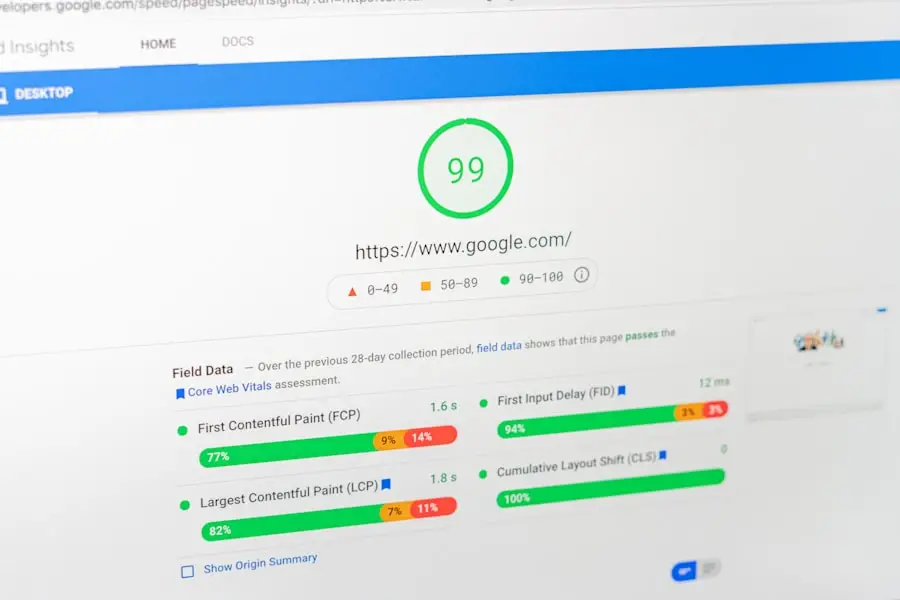
Back in 2010, Google first announced that page speed would be a ranking signal for desktop searches. Fast forward to 2018, and this was extended to mobile searches, a clear signal of their commitment. But it didn’t stop there. The introduction of Core Web Vitals in 2021 solidified Google’s stance even further. These specific metrics (Largest Contentful Paint, First Input Delay, and Cumulative Layout Shift) are now a direct part of how Google assesses a page’s user experience, and by extension, its ranking potential.
- Core Web Vitals as Key Ranking Signals: Think of Core Web Vitals as Google’s way of measuring how quickly your page loads, how interactive it is, and how stable its layout remains during loading. If your site performs poorly on these metrics, Google sees it as providing a suboptimal user experience, which can indeed impact your search visibility. Essentially, faster sites aren’t just a recommendation; they’re a requirement for top-tier performance in organic search.
The Holistic View: Speed as Part of Overall User Experience
While Core Web Vitals are specific metrics, Google’s algorithms are always looking at the broader picture of user experience. A fast loading site inherently contributes to a positive user experience, which in turn influences other SEO factors.
- Improved Crawl Budget Efficiency: For larger sites, especially e-commerce platforms, a faster site can mean that Google’s crawlers (the bots that discover and index your content) can visit and index more of your pages within a given timeframe. This ensures your latest products or articles are found and ranked quicker.
- Reduced Bounce Rate Indicating Engagement: Although not a direct ranking factor in isolation, a low bounce rate (users leaving your site quickly) demonstrates to Google that users found what they were looking for and were engaged by your content. A slow site nearly guarantees a high bounce rate, inadvertently signalling to Google that your page might not be as relevant or valuable as it should be.
The Silent Killer: How Slow Speeds Decimate User Experience and Boost Bounce Rates
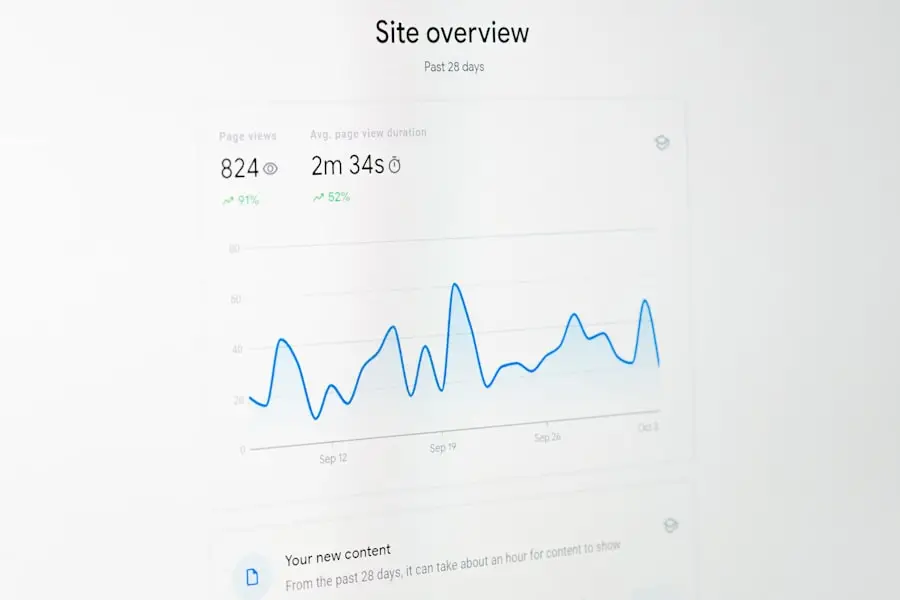
Now, let’s talk about the human element. Beyond what Google thinks, there’s what your actual visitors experience, and this is where slow website speed truly wreaks havoc.
The Impatience of the Modern User
We live in an ‘instant gratification’ society. We expect things to be fast, seamless, and readily available. This expectation extends fully to our online interactions. Studies consistently show that users have incredibly short fuses when it comes to waiting for pages to load.
- The Critical 3-Second Threshold: Numerous industry reports highlight that delays beyond merely 3 seconds significantly increase the likelihood of a user abandoning your site. Just let that sink in – three seconds! That’s barely enough time to register what’s happening on your screen before a significant portion of your potential audience has already hit the back button. For every additional second of delay, the abandonment rate climbs even higher. This isn’t just theory; it’s cold, hard data demonstrating the tangible impact of speed on user patience.
The Direct Hit on User Trust and Brand Perception
Beyond just leaving, a slow-loading site has a more insidious effect: it erodes trust. When a website stutters, freezes, or takes an age to deliver content, it can leave a sour taste in the user’s mouth, regardless of how good your content or products actually are.
- Professionalism and Reliability: A fast, responsive website feels professional, reliable, and well-maintained. It subtly communicates that you care about your customers’ experience and pay attention to detail. Conversely, a sluggish site can feel amateurish, outdated, or even broken. This perception can directly influence whether a visitor trusts you enough to make a purchase, fill out a form, or share their contact details. Why would they trust you with their information or their money if your website can’t even load efficiently?
Mobile: The Ultimate Litmus Test for Your Website’s Speed
In the UK, mobile internet usage has long surpassed desktop. People are browsing, researching, and making decisions on the go, often with less stable internet connections than they’d have at home. This makes mobile speed not just important, but absolutely critical.
The Dominance of Mobile Browsing
Think about your own habits. How often do you reach for your phone to quickly look up a business, check a product, or find information? It’s likely dozens of times a day. Your customers are doing the same. If your website performs sluggishly on a mobile device, you’re alienating a vast segment of your audience.
- Google’s Mobile-First Indexing: Google uses the mobile version of your website for indexing and ranking. This means if your mobile site is a slow, clunky mess, it will directly impact your overall SEO performance, even for desktop searches! Essentially, your mobile speed is your website speed in the eyes of Google.
- Varying Network Conditions: Mobile users aren’t always on lightning-fast Wi-Fi. They might be on 4G, 3G, or even in areas with patchy coverage. A website designed for speed is more resilient to these varying network conditions, ensuring a better experience for a wider range of users, thereby preventing lost leads from those ‘on-the-go’ customers.
How Slow Mobile Speed Chokes Off Customer Enquiries
Slow mobile performance directly translates into fewer leads and enquiries from mobile users. The frustration caused by a lagging site on a small screen is amplified, leading to quicker abandonment.
- Reduced Forms and Calls from Mobile: If potential customers can’t easily navigate your site, find your contact form, or initiate a call with a single tap because everything is freezing or slow to load, they simply won’t. The path to conversion must be frictionless, especially on mobile. A speedy mobile site reduces friction, making it easier for users to complete desired actions like filling out an enquiry form or making a direct call.
From Browser to Buyer: How Speed Converts Visitors into Valued Enquiries
Ultimately, your website’s main purpose (besides providing information) is often to generate leads and customer enquiries. This is where speed truly shows its direct financial impact.
The Direct Correlation Between Speed and Conversion Rates
It’s a well-established truth in digital marketing: faster websites have higher conversion rates. Whether “conversion” means filling out a contact form, making a purchase, signing up for a newsletter, or requesting a demo, speed plays a pivotal role.
- Frictionless User Journey: Every millisecond shaved off loading time contributes to a smoother, more enjoyable user journey. When pages load instantly, users can quickly browse services, read case studies, find pricing information, and ultimately discover the “contact us” page without frustration. This frictionless experience keeps them engaged and moving towards the desired action.
- Enhanced Call-to-Action Visibility: If your call-to-action (CTA) buttons or enquiry forms are hidden behind slow-loading content or shifting layouts (a Core Web Vitals issue), users might not even see them before they abandon the page. A fast-loading site ensures that your crucial conversion elements are visible and ready for interaction as soon as the page loads.
Examples of Real-World Impact
Numerous companies, from small businesses to tech giants, have reported significant boosts in conversions after improving their website speed.
- Increased Form Submissions: Imagine a potential client researching your services. If they find your site loads quickly and provides the information they need without delay, they’re far more likely to take the next step and fill out an enquiry form. Each second of delay can mean fewer enquiries landing in your inbox.
- Higher Call Volume: Similarly, if your contact number is prominently displayed and your site feels responsive, people are more inclined to tap to call from their mobile devices. A slow site creates doubt and can deter this immediate action.
- Improved Trust Leading to Enquiries: Beyond just speed, the confidence a fast site instils encourages visitors to trust you with their contact information. They feel confident that if your website is this well-maintained, your service or product will be too.
Practical Fixes: Boosting Your Site’s Speed for SEO and Enquiries
So, you’re convinced that speed is paramount. Fantastic! Now, how do you actually go about making your site faster? The good news is that many common issues have well-established technical solutions.
Common Technical Bottlenecks and How to Address Them
Improving website speed often involves a combination of technical optimisations. These aren’t just for developers; understanding them can help you communicate effectively with your web team.
- Image Optimisation: This is often the biggest culprit for slow websites. Large, uncompressed images can bog down load times significantly.
- Compress Images: Use tools like TinyPNG or image optimisation plugins (if you’re on a CMS like WordPress) to reduce file sizes without sacrificing noticeable quality.
- Serve Images in Next-Gen Formats: Formats like WebP offer superior compression and quality characteristics compared to older formats like JPEG or PNG.
- Lazy Loading: Implement lazy loading, which means images only load when they scroll into the user’s viewport, rather than all at once when the page first loads.
- Leverage Browser Caching: Caching stores parts of your website on a user’s browser after their first visit.
- Set Cache-Control Headers: This tells browsers how long to store certain files. When users revisit your site, their browser can load the cached version instantly, leading to significantly faster subsequent page loads.
- Content Delivery Networks (CDNs): For sites with a global or even national audience, a CDN is incredibly valuable.
- Distribute Content Globally: A CDN stores copies of your website’s static content (images, CSS, JavaScript) on servers located around the world. When a user requests your site, the content is delivered from the server geographically closest to them, dramatically reducing latency and speeding up load times.
- Minify CSS, JavaScript, and HTML: Minification removes unnecessary characters (like white space, comments, and line breaks) from your code files without changing their functionality.
- Reduce File Sizes: Smaller file sizes mean faster downloads for the user’s browser, contributing to quicker overall page load times. This is often done automatically by optimisation plugins or build tools.
- Optimise Server Response Time: Your web hosting provider plays a crucial role in how quickly your site responds.
- Choose a Reliable Host: Invest in quality hosting. Shared hosting can be cheap, but it often means sharing server resources with many other sites, leading to slower response times. Consider VPS or dedicated hosting as your site grows.
- Efficient Database Queries: For dynamic sites, ensure your database queries are optimised to fetch information quickly.
- Reduce Render-Blocking Resources: These are typically JavaScript and CSS files that prevent the rest of your page from loading until they’ve been fully processed.
- Defer or Asynchronously Load JavaScript: Load scripts only once the critical content is visible.
- In-line Critical CSS: For the ‘above-the-fold’ (content visible without scrolling) part of your page, embed essential CSS directly in the HTML to ensure immediate rendering.
Continuous Monitoring and Testing
Website speed isn’t a “set it and forget it” task. Technologies change, content is added, and user behaviour evolves. Regular monitoring is key.
- Utilise Tools like Google PageSpeed Insights: This free tool provides a comprehensive report on your site’s performance for both mobile and desktop, highlights Core Web Vitals issues, and offers specific recommendations for improvement.
- GTmetrix and WebPageTest: These are other excellent tools that provide detailed waterfalls of resource loading, helping you pinpoint exact bottlenecks.
- Regular Audits: Schedule periodic speed audits for your website, especially after major updates or new content launches.
- User Feedback: Pay attention to any feedback about slow performance. It’s often the most direct indicator of a problem.
In conclusion, website speed is no longer just a technical tick-box; it’s a fundamental pillar of successful SEO and a direct driver of customer enquiries. From Google’s ranking algorithms to the fickle patience of your users, every aspect of your online presence benefits from a swift, responsive website. By prioritising speed, you’re not just improving your SEO; you’re enhancing user experience, building trust, and ultimately, paving a smoother, faster path for visitors to become valuable customers. So, roll up your sleeves (or brief your developer!) and make speed a priority – your business will thank you for it.