In today’s bustling digital marketplace, where every click counts and attention spans are as fleeting as a British summer, standing out isn’t just about shouting the loudest. It’s about building a connection, fostering a relationship, and, crucially, earning trust. And at the heart of that trust-building endeavour lies strong branding.
As a UK-based SEO expert and content creator, I’ve seen firsthand how a well-crafted brand can transform a simple website into a powerful conversion machine. It’s not just about pretty colours or a catchy logo; it’s about creating an experience that resonates, reassures, and ultimately, persuades visitors to take that all-important next step. So, let’s dive into the fascinating world of how strong branding isn’t just a nice-to-have, but an absolute necessity for boosting website trust and supercharging your conversions.
Think of your brand as a promise. Every interaction a customer has with your business, from your social media posts to your packing slips, should reinforce that promise. On your website, this consistency is paramount. It’s the visual and verbal bedrock upon which trust is built.
The Power of Predictability
When a visitor lands on your website, they’re instinctively looking for cues that tell them they’re in a safe and reliable place. Consistent branding across your colours, fonts, logo placement, and messaging builds a sense of familiarity. It’s like seeing a friendly face in a crowd; it immediately makes you feel more at ease. This predictability makes your site feel more solid, more professional, and crucially, more trustworthy.
- Visual Harmony: Imagine a website where the primary brand colour abruptly changes from page to page, or where the font shifts from elegant serif to playful sans-serif without rhyme or reason. It’s jarring, isn’t it? Consistent visual elements create a cohesive and professional aesthetic. This isn’t just about looking good; it’s about signaling reliability and attention to detail.
- The Unifying Effect of Your Logo: Your logo is your brand’s signature. It should be prominently displayed and consistently positioned across all your web pages. A fixed logo in the header or footer acts as an anchor, reassuring visitors they haven’t stumbled onto a different site.
- A Consistent Brand Voice: Beyond the visuals, your messaging needs to be consistent. Whether you’re offering helpful advice, promoting a product, or explaining your refund policy, your brand voice should remain true to itself. Is it friendly and informal, or authoritative and professional? Whatever it is, stick to it. This cultivates a clear expectation of how you communicate, building trust through reliable engagement.
Familiarity Breeds Confidence, Not Contempt
We’re creatures of habit, and familiarity often breeds confidence. When visitors encounter a consistent brand experience, they develop a sense of recognition. This recognition translates into comfort, and comfort significantly improves the likelihood of a conversion. It’s less like exploring uncharted territory and more like revisiting a favourite, trusted shop.
- Reduced Cognitive Load: When your branding is consistent, visitors don’t have to spend mental energy trying to understand if they’re still on your site or if they’ve somehow deviated. This reduced cognitive load allows them to focus on your content, products, or services, rather than navigating visual confusion.
- Brand Recall and Association: Consistent branding helps embed your brand in the visitor’s subconscious. The more they see your colours, your logo, your fonts, the more they associate those elements with your values and offerings. This strong association is invaluable for return visits and brand loyalty.
Building Bridges of Belief: Harnessing Trust Signals
In a world rife with online scams and dubious promises, visitors are rightly cautious. Trust signals act as digital beacons, guiding them towards a positive decision. They are explicit indicators that you are a legitimate, reliable, and customer-centric business.
Overt Indicators of Credibility
These are the elements that overtly communicate safety and trustworthiness. They address visitor concerns head-on, reassuring them that their sensitive information is secure and that they can expect a smooth, honest transaction.
- Security Badges and Certificates: These are non-negotiable, especially for e-commerce sites. SSL certificates (the padlock icon in your browser) are a must, but displaying security badges from reputable providers like Norton, McAfee, or GeoTrust can significantly ease purchase anxieties. It signals that you’ve invested in protecting customer data, a crucial factor in online purchases.
- Client Logos and Partnerships: If you’ve worked with well-known or respected organisations, flaunt it! Displaying logos of reputable clients or strategic partners acts as a powerful endorsement. It leverages the trust associated with those entities and transfers a portion of it to your own brand. “If they trust you, then I can too” is the silent message.
- Clear Policies and Guarantees: Transparency is a major trust builder. Make sure your refund policies, privacy policies, and terms of service are easily accessible, clearly written, and fair. A generous and unambiguous refund policy, for example, signals confidence in your product and a willingness to stand behind it, significantly reducing purchase risk for the customer.
Authentic Voices and Endorsements
Beyond official badges, the voices of satisfied customers are incredibly powerful. People inherently trust the opinions of their peers more than direct marketing messages.
- Testimonials and Reviews: Specific, detailed testimonials are far more impactful than generic praise. Encourage customers to share their experiences, ideally with their names, photos, and even links to their social profiles (with consent, of course!). Integrated review platforms (like Trustpilot or Google Reviews) directly on your site add another layer of authenticity and social proof.
- Certifications and Awards: If your business or products have received industry certifications, awards, or accolades, make sure these are prominently displayed. These are external validations of your expertise and quality, lending significant weight to your trustworthiness.
The Visual Language of Trust: Professional and Polished Design
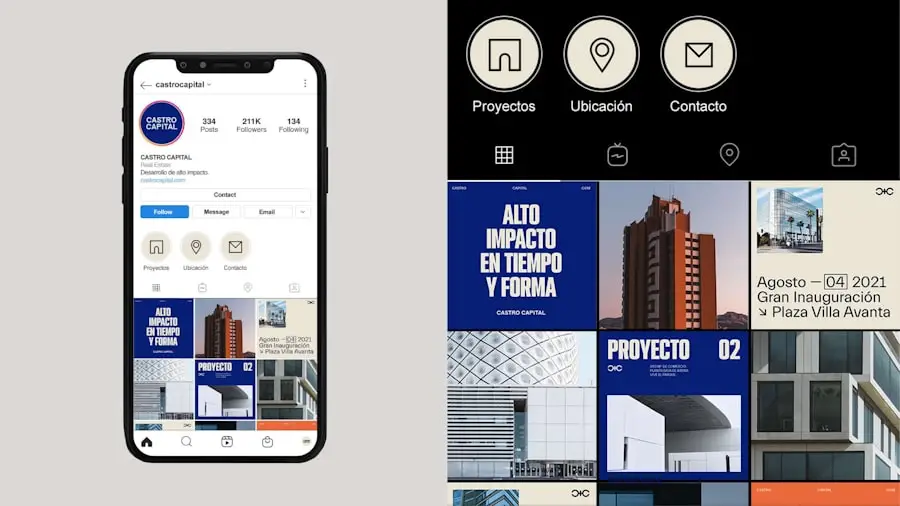
First impressions matter, and on the web, that first impression is largely driven by design. A professional, polished website design isn’t just about aesthetics; it’s about communicating competence, care, and credibility.
Clean Layout and Intuitive Navigation
A cluttered, confusing website is a digital turn-off. It suggests a lack of attention to detail, which can erode trust. Conversely, a clean, well-organised layout signals professionalism and respect for the visitor’s time.
- Whitespace is Your Friend: Don’t be afraid of empty space! Whitespace makes your content easier to read, reduces cognitive overload, and creates a sense of calm and order. It allows important elements to breathe and stand out.
- Logical Information Hierarchy: Ensure your website’s information is structured logically. Users should be able to quickly find what they’re looking for without having to hunt around. Clear headings, subheadings, and bullet points guide the eye and make content digestible.
- Effortless Navigation: Your menu should be clear, concise, and consistent across all pages. Users expect certain navigation patterns (e.g., logo links to homepage, contact in footer). Deviating from these conventions can lead to frustration and a quick exit. A user-friendly experience inherently builds trust.
The Impact of Typography and Imagery
The choices you make regarding fonts and images profoundly influence how your brand is perceived. They are silent communicators of your brand’s personality and professionalism.
- Readable Typography: This might seem obvious, but it’s often overlooked. Choose fonts that are easy to read on all devices. Large blocks of small, thin, or overly decorative text will deter visitors. Good line spacing and paragraph breaks also contribute significantly to readability.
- High-Quality, Relevant Imagery: Blurry, pixelated, or generic stock photos scream amateurish. Invest in high-quality, relevant images and videos that genuinely reflect your brand and products. Authentic photos of your team, premises, or products in use build a much stronger connection and instil more trust than generic alternatives.
- Consistent Image Style: Maintain a consistent style for your imagery – whether it’s bright and airy, minimalist, or warm and earthy. This contributes to the overall visual harmony and reinforces your brand identity.
Beyond the Screen: Brand-Website Alignment
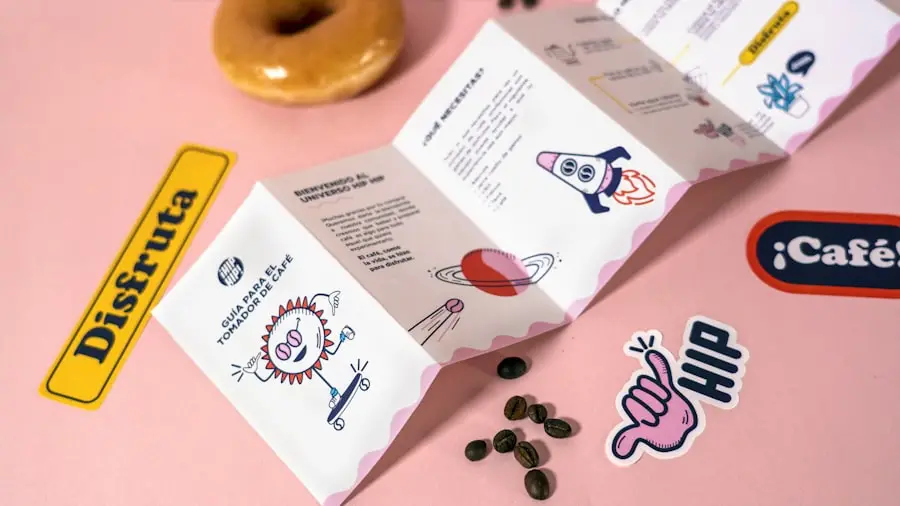
Your website is a crucial touchpoint, but it’s rarely the only one. For trust to flourish, your online presence needs to be seamlessly aligned with all other customer interactions. This holistic consistency creates a reliable and predictable brand experience.
The Holistic Brand Experience
When a customer encounters your brand, they are piecing together a mental image of who you are. If your website tells one story, your social media another, and your in-store experience yet another, it creates dissonance. This inconsistency directly erodes trust.
- Siloed Experiences breed Suspicion: Imagine seeing an ad on social media with a vibrant, playful tone, then clicking through to a website that’s corporate and rigid. You’d probably wonder if you’d clicked on the right link, or if the brand was being disingenuous. This disconnect raises a red flag, prompting visitors to question your authenticity.
- Reinforcing Brand Values: Your website should be a digital embodiment of your brand’s core values. If sustainable practices are central to your brand, your website design, imagery, and content should reflect that commitment. This alignment strengthens the perception of integrity and honesty.
- Consistency Across Touchpoints: Whether it’s an email marketing campaign, a physical brochure, or a customer service interaction, your brand’s aesthetic and voice should remain consistent. This creates a cohesive and reliable experience, making users feel more confident engaging with your business across all channels.
From Digital to Real-World Engagement
The expectation of alignment extends beyond digital channels. If your brand promises a certain level of customer service online, your real-world interactions need to deliver.
- Seamless Transitions: A customer who fills out a contact form on your website expects a prompt, professional response that mirrors the tone of your site. If they receive a delayed, impersonal email, the trust built on your website quickly dissipates.
- Unified Messaging: Ensure that any offline advertising, packaging, or customer service scripts resonate with your online brand messaging. The aim is to create a singular, unwavering brand identity that builds confidence at every stage of the customer journey.
The Human Element: Social Proof and Authentic Content
In an age of information overload, people seek reassurance from the experiences of others. Social proof is a powerful psychological trigger that leverages this innate human tendency. Authentic content then takes this a step further, allowing your brand’s true personality to shine through.
Leveraging the Wisdom of the Crowd
We often look to others to guide our decisions, especially when faced with uncertainty. Positive social proof acts as a strong affirmation, pushing hesitant visitors towards conversion.
- Specific, Detailed Reviews: Move beyond generic “Great product!” reviews. Encourage customers to share specific details about their experience, how your product or service solved their problem, or the benefits they received. These granular details are far more convincing and relatable.
- Video Testimonials: Nothing builds credibility quite like seeing and hearing real people talk about their positive experiences. Video testimonials add a human touch, making your brand feel more accessible and trustworthy. They’re much harder to fake and convey emotion more effectively.
- Case Studies with Real-World Results: For B2B businesses or service providers, detailed case studies showcasing how you’ve helped clients achieve specific outcomes (e.g., “Increased sales by 30%,” “Reduced operational costs by £10,000”) are incredibly potent. Quantifiable results are highly persuasive and demonstrate tangible value.
- User-Generated Content: Encourage customers to share photos or videos of themselves using your products. Repost this content (with permission!) on your website and social media. It’s authentic, relatable, and acts as powerful social proof, showing real people engaging with your brand.
Authentic Storytelling and Transparency
Beyond external validation, your own authenticity plays a crucial role. People connect with brands that are genuine and transparent.
- Behind-the-Scenes Content: Show the faces behind your brand. Share stories about your team, your company’s mission, or the process of creating your products. This humanises your brand and fosters a deeper connection and trust.
- Addressing Concerns Openly: If there’s a common criticism or potential drawback to your product, address it openly and honestly. Transparency, even about imperfections, builds significant trust and demonstrates integrity. For example, if a product design has been controversial, acknowledge it and explain how you’ve improved it.
- Educational Content: Providing genuinely helpful, unbiased educational content related to your industry or products establishes your brand as an authority and a trusted resource, rather than just a sales platform. This positions you as an expert who genuinely cares about solving customer problems.
The Unsung Heroes: Performance and Responsiveness
While perhaps not immediately thought of as “branding,” the technical performance of your website is inextricably linked to how your brand is perceived. A slow, clunky, or broken website completely undermines any trust you’ve meticulously built through design and content.
Speed as a Statement of Professionalism
In our fast-paced world, speed is not just a convenience; it’s an expectation. A slow-loading website sends a clear message: “We don’t value your time.” This immediately damages trust and can lead to immediate abandonment.
- Every Second Counts: Studies consistently show a direct correlation between page load speed and conversion rates. A mere one-second improvement in page load can lead to a significant conversion lift. This isn’t just about impatience; it’s about perceived reliability. A fast site feels efficient and well-maintained.
- Optimising for Performance: This means compressing images, leveraging browser caching, minifying CSS and JavaScript, and choosing a reliable hosting provider. Investing in these technical aspects is an investment in your brand’s credibility.
Mobile-First Mentality
With the vast majority of internet users accessing websites from mobile devices, a responsive design is no longer optional; it’s a fundamental expectation. A mobile-unfriendly site is a dereliction of duties and a clear signal of neglect, which utterly destroys trust.
- Seamless Experience Across Devices: Your website needs to adapt gracefully to various screen sizes and resolutions. Text should be readable, images should scale correctly, and clickable elements should be easy to tap. A consistent and flawless experience, whether on a desktop, tablet, or smartphone, reinforces your brand’s professionalism and attention to detail.
- Reduced Frustration, Increased Trust: When users struggle to navigate or read your website on their mobile device, frustration mounts, and they quickly lose faith in your brand. A smooth, intuitive mobile experience, on the other hand, makes them feel valued and respected, significantly boosting trust and the likelihood of conversion. One source even cites up to 23% higher revenue from consistent brand presentation across all platforms, highlighting the profound impact of mobile responsiveness.
Bringing It All Together
Ultimately, strong branding isn’t a fluffy marketing exercise; it’s a strategic imperative that directly impacts your bottom line. By meticulously weaving together consistent visual and verbal cues, leveraging impactful trust signals, showcasing professional design, ensuring cross-platform alignment, embracing authentic social proof, and optimising for peak performance, you create an online ecosystem where visitors feel safe, reassured, and ultimately, compelled to convert.
In the competitive UK digital landscape, where customers have endless choices at their fingertips, building a brand that inspires unwavering trust is the most powerful differentiator you can cultivate. So, go forth, British businesses, and build those trusting brands – your conversions will thank you for it!